
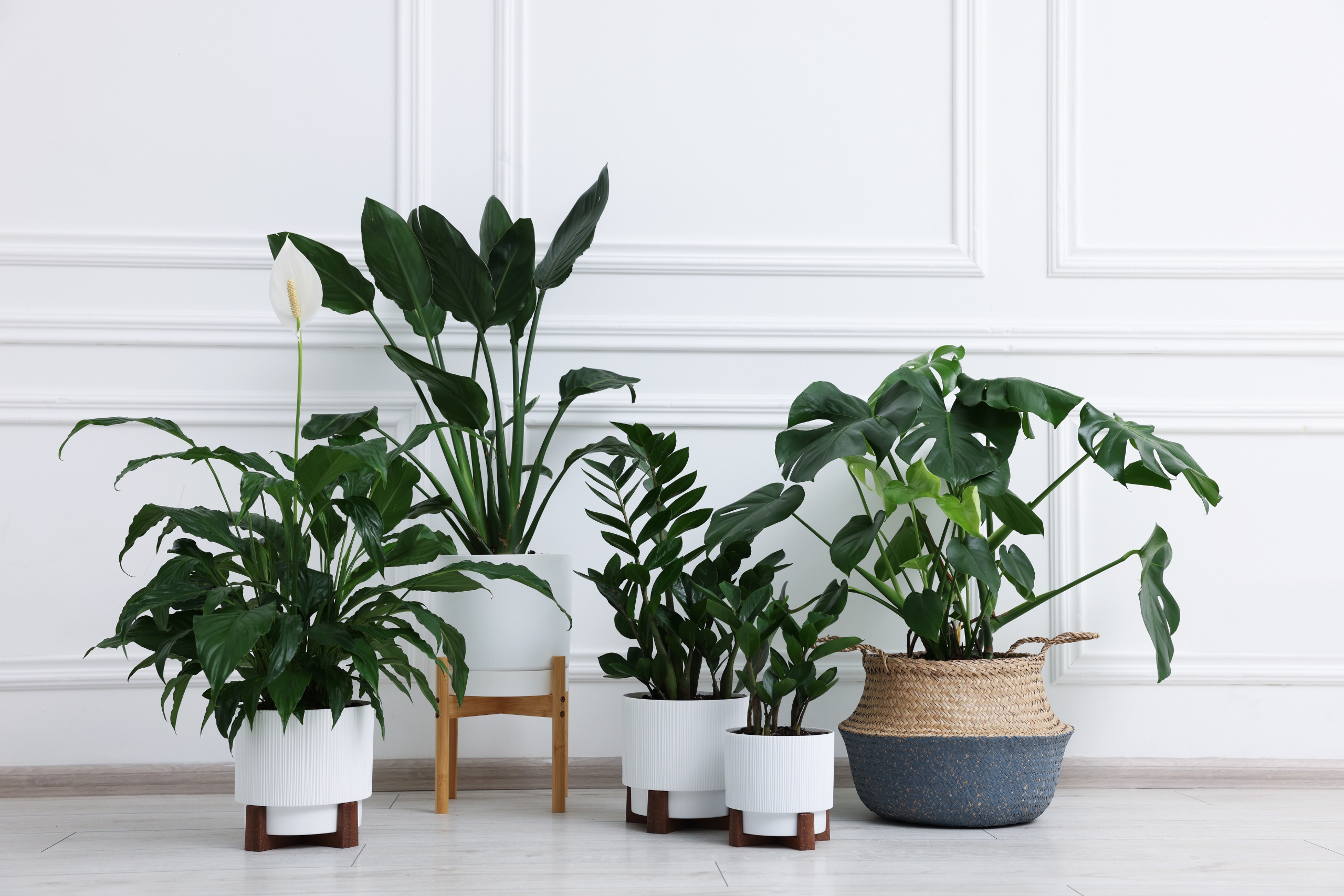
Every person who has ever killed a houseplant — and the number of those people is considerably larger than the thriving plant parent community most social media feeds most specifically and most misleadingly suggest — has done so not because they lack the capacity for the care that plants require but because they were given the wrong plant for their specific lifestyle, their specific home environment, and their specific relationship with the consistency of the daily routine that some plants most urgently require and that the beginner most honestly and most commonly fails to provide with the regularity that the sensitive plant most specifically demands for the survival that the forgiving plant most specifically and most generously provides without it. The single most common beginner plant mistake is not the overwatering or the underwatering or the insufficient light — it is the mismatch between the plant’s specific requirements and the owner’s specific capacity and specific environment, the purchase of the beautiful but demanding plant whose needs exceed what the honest assessment of the beginner’s attention level, home lighting, and watering reliability most specifically and most practically allows. This guide solves that problem directly — not by telling you what you should do to accommodate the plant but by identifying the specific plants whose specific tolerances most completely and most genuinely accommodate the beginner’s realistic limitations of the occasional forgotten watering, the imperfect light situation, and the variable attention whose inconsistency the right plant most specifically and most forgivingly survives without the dramatic drooping, the yellowing, and the passive-aggressive leaf-dropping whose expression in the sensitive plant’s response to the imperfect care most specifically and most discourageingly suggests to the beginner that they simply do not have what it takes to be a plant person. They do. They just need the right plant.
Pothos: The Most Forgiving Plant in the Entire Plant Kingdom
The pothos is the plant that the most experienced plant collectors most consistently and most enthusiastically recommend to the absolute beginner because it is the plant whose specific combination of the tolerance for neglect, the tolerance for low light, the tolerance for irregular watering, and the specific visual reward of the rapid, vigorous trailing growth whose dramatic cascade from the high shelf or the hanging planter creates the most immediately satisfying visual impact available in any easy-care indoor plant makes it the single most accessible entry point into the indoor plant hobby available in any nursery, any hardware store, and any garden center across the United States. The pothos — technically Epipremnum aureum, a tropical vine native to the Solomon Islands whose natural habitat of the forest floor under the dense canopy most specifically explains the extraordinary low-light tolerance that makes it the most adaptable available indoor plant for the homes and the apartments whose natural light situation is less than ideal — is the plant that will survive the two-week vacation during which nobody watered it, the north-facing apartment window that receives no direct sun, and the beginner’s initial confusion about when to water whose resolution through the simple finger-test of sticking a finger an inch into the soil and watering only when it feels dry creates the most beginner-friendly possible watering guideline available for any plant whose overwatering sensitivity in the soggy soil is as real as its underwatering tolerance in the dry soil whose management through the simple dryness test most specifically and most practically addresses the most common beginner watering error.
The pothos’s specific visual versatility — the golden pothos whose yellow-variegated green leaves create the most classic and the most widely available form, the marble queen whose white-streaked green creates the most dramatically variegated appearance, the neon pothos whose chartreuse-yellow solid color creates the most visually striking available single-color variety, and the satin pothos whose silvery sheen and whose heart-shaped leaves create the most distinctively textured available form — provides the beginner with the specific aesthetic choice that allows the first plant selection to most completely reflect the home’s specific color palette and the personal aesthetic preference whose expression in the plant selection makes the home and garden space feel most personally curated. The propagation ease of the pothos — the specific ability to cut any stem below a node, place it in a glass of water on the windowsill, and watch the roots develop within two to four weeks whose simple visual confirmation of the new plant’s imminent independence creates the most immediately accessible and the most directly rewarding plant propagation experience available to the beginner whose first successful propagation most specifically and most powerfully reinforces the plant-care confidence whose cultivation through the early successes most directly and most lastingly determines whether the beginner becomes the dedicated plant parent or the person who gives up after the third dead succulent.
Snake Plant: The Plant That Thrives on Neglect
The snake plant — Dracaena trifasciata, formerly classified as Sansevieria and still widely sold under that name in the nursery trade — is the indoor plant whose specific reputation for the extraordinary drought tolerance, the low light adaptability, and the specific architectural elegance whose upright, sword-shaped leaves create the most structurally dramatic available silhouette in any indoor plant collection makes it simultaneously the most recommended beginner plant and the most design-forward easy-care option available in any plant category. The snake plant’s specific survival capability is legendary among plant collectors for the specific reason that it is genuinely extraordinary — the plant whose watering requirement in the winter months is as infrequent as once a month, whose summer watering requirement of every two to four weeks makes it the most forgiving available plant for the busy schedule, the frequent traveler, and the honest beginner who knows their own tendency to forget the watering more than they know their tendency to remember it and who most specifically and most practically needs the plant whose specific tolerance for the neglect most completely matches the specific attention level that the honest self-assessment most accurately identifies as the realistic expectation of the beginner’s plant care practice.
The snake plant’s specific air quality benefit — the specific nighttime oxygen production that distinguishes it from the majority of houseplants whose photosynthesis occurs during the daylight hours and whose conversion of the carbon dioxide to the oxygen stops at night, making the snake plant the most specifically recommended available option for the bedroom placement whose nighttime oxygen benefit is as genuinely useful as it is widely cited in the indoor plant wellness conversation — makes it the plant whose functional benefit most specifically and most directly complements the aesthetic appeal of the upright, architectural form whose placement in the bedroom corner, the bathroom shelf, or the home office desk most specifically enhances the specific space’s visual quality without the demanding care requirement whose specific management in the high-use, high-distraction domestic environments most commonly creates the specific neglect whose consequence for the snake plant is as minimal and as gracefully managed as any plant’s response to the imperfect care that the home and garden beginner most honestly and most commonly provides. The specific propagation method of the snake plant through the leaf cutting — whose placement in the soil or the water creates the new plant without the dramatic rooting response of the pothos but with the specific patient satisfaction of the slowly developing plant whose eventual establishment most specifically and most rewardingly completes the propagation cycle — provides the beginner with the additional plant care skill whose development through the snake plant’s forgiving propagation tolerance most specifically and most accessibly builds the confidence whose accumulation most directly enables the progression to the more demanding plants whose care the established plant parent most specifically and most successfully provides.
Spider Plant: The Cheerful, Air-Cleaning Champion of Beginner Spaces
The spider plant — Chlorophytum comosum — is the indoor plant whose specific combination of the cheerful, arching green and white striped foliage, the extraordinary production of the spiderettes whose hanging runners of the miniature plantlets create the most visually dynamic and the most generative display available in any beginner-friendly plant, and the NASA Clean Air Study recognition as one of the most effective available air-purifying houseplants whose removal of the formaldehyde, the xylene, and the toluene from the indoor air creates the most practically beneficial available environmental reason to add it to any living space makes it one of the most consistently and the most enthusiastically recommended beginner plants in any plant collection for the first-time indoor gardener whose specific combination of the forgiving nature, the visual reward, and the functional air quality benefit most completely and most specifically justifies the plant’s enduring popularity across the decades of the houseplant hobby’s changing fashions whose passing the spider plant most specifically and most enduringly outlasts by virtue of the specific genuine merit that the actually excellent plant most directly and most durably provides. The spider plant’s specific watering requirement whose moderate need — more regular than the snake plant but less sensitive to the inconsistency than the more demanding tropical species — creates the most developmentally appropriate watering practice for the beginner whose first plant care skill of the soil-moisture assessment is most specifically and most productively practiced on the plant whose response to the watering mistake is the specific yellowing of the leaf tip rather than the complete collapse whose catastrophic quality most commonly and most discourageingly ends the beginner’s plant journey before it has most specifically and most productively begun.
The spider plant’s specific light adaptability — the ability to thrive in the bright indirect light of the well-lit living room while tolerating the lower light of the interior office or the less sunny apartment room whose specific light limitation most commonly and most specifically constrains the beginner’s plant selection to the genuinely low-light-tolerant species whose performance in the imperfect light situation most specifically and most practically matches the honest assessment of the typical home’s lighting reality — creates the most broadly applicable available plant recommendation whose specific light tolerance most completely addresses the single most common beginner concern about the sufficiency of their specific home’s natural light for the indoor plant cultivation whose success most specifically and most directly depends on the match between the plant’s light requirement and the home’s specific light availability. The spider plant spiderettes — the specific miniature plantlets whose production on the arching runners creates the most automatically propagating available houseplant — are the beginner gift that the established spider plant most generously and most continually provides, whose pinning into the new pot of soil creates the easiest available plant propagation experience and whose gifting to the friend, the family member, or the coworker most specifically and most directly participates in the specific social dimension of the plant hobby whose community aspect is as genuinely rewarding as the cultivation itself. The home and garden space whose spider plant hangs in the bright window or trails from the shelf creates the specific visual quality of the living, growing, generative environment whose presence most completely and most genuinely transforms the domestic space from the static, object-filled room into the specific living environment whose ongoing biological vitality is the quality that the indoor plant most directly and most continuously provides.
ZZ Plant: The Near-Indestructible Glossy Beauty
The ZZ plant — Zamioculcas zamiifolia — is the indoor plant whose specific combination of the extraordinarily glossy, deep green compound leaves whose waxy surface creates the most dramatic and the most architecturally refined visual quality available in any low-maintenance plant, the near-indestructible drought tolerance whose specific survival without water for periods of four to six weeks makes it the most specifically travel-proof and the most specifically busy-schedule-compatible available plant, and the rhizome storage system whose underground water storage most specifically and most directly explains the drought tolerance that the ZZ plant most specifically and most dramatically demonstrates in the extended dry periods whose management requires no special preparation, no automatic watering system, and no plant-sitting arrangement whose organization the frequent traveler most specifically and most practically benefits from avoiding makes the ZZ plant the most specifically lifestyle-compatible available recommendation for the beginner whose specific circumstances include the extended travel, the demanding work schedule, or the honest self-knowledge of the watering inconsistency whose consequences for the ZZ plant are the most minimal available in any indoor plant category whose drought tolerance the ZZ plant most completely and most specifically exemplifies. The ZZ plant’s toxicity — the specific mildly toxic character of all parts of the plant whose calcium oxalate crystals cause the skin irritation and the gastrointestinal discomfort if ingested — requires the specific placement consideration for the households with the young children or the curious pets whose access to the plant most specifically and most preventably should be limited through the elevated placement whose simultaneous benefit of the most visually impactful display position and the most effective access restriction creates the most practical available solution to the specific safety consideration whose acknowledgment in any responsible ZZ plant recommendation most completely and most honestly serves the beginning plant parent whose specific household composition most directly determines the appropriate placement of the plant whose specific mild toxicity most specifically and most practically motivates the elevated, out-of-reach positioning.
Aloe Vera: The Functional Beauty That Earns Its Place on Every Windowsill
Aloe vera is the indoor plant whose dual identity as the most practical available natural first-aid kit and the most structurally distinctive available succulent creates the most comprehensively justified plant purchase in any beginner’s collection — the plant whose specific gel whose well-documented soothing properties for the minor burn, the sunburn, and the skin irritation whose topical application provides the most immediately available natural remedy creates the specific functional value that no purely aesthetic plant most specifically and most practically provides, and whose sculptural rosette of the thick, fleshy, serrated leaves whose upright, architectural form creates the most visually striking available structural silhouette in any window garden or kitchen counter plant arrangement. The aloe vera’s watering requirement — the deep, infrequent watering whose specific instruction to water thoroughly, allow the excess to drain completely, and then allow the soil to dry fully before the next watering creates the most specifically beginner-friendly available watering schedule whose simplicity of the dry-soil trigger most directly and most practically addresses the most common beginner overwatering error whose expression in the root rot is the single most common available cause of the aloe vera death whose prevention through the well-draining soil and the thorough-but-infrequent watering schedule most specifically and most effectively protects the plant whose specific vulnerability to the wet, soggy soil most directly and most commonly creates the condition whose management through the correct watering practice most specifically and most completely prevents.
The aloe vera’s light requirement of the bright, indirect to direct sun whose placement in the sunniest available windowsill most specifically and most directly serves the plant whose natural desert habitat of the high-light, low-moisture environment most completely explains the specific combination of the sun tolerance and the drought tolerance that makes the south-facing or the west-facing windowsill the most ideal available placement for the plant whose specific visual and the functional performance is most completely realized in the bright, warm, well-lit window whose light provision most directly and most specifically matches the desert origin whose climate the indoor placement most productively approximates. The aloe vera pups — the specific offsets that the mature plant produces around its base whose separation from the parent plant and whose individual potting creates the most accessible and the most immediately rewarding available succulent propagation experience for the beginner whose specific first propagation success most directly and most productively builds the plant care confidence whose development through the early, easily achieved successes most specifically and most enduringly determines the trajectory of the plant hobby whose sustained engagement most directly reflects the confidence and the pleasure whose cultivation through the forgiving, functional, visually rewarding aloe vera most completely and most genuinely provides.
Peace Lily: The Flowering Easy-Care Plant That Signals Its Own Needs
The peace lily — Spathiphyllum — is the indoor plant whose specific combination of the elegant white spathe flowers whose production in the low-light conditions where most flowering plants most specifically and most consistently fail to bloom creates the most unexpected and the most rewarding flowering experience available in any easy-care indoor plant, the dramatic wilting behavior whose specific visual signal of the drooping leaves most directly and the most usefully communicates the plant’s water need in the most immediately legible available plant communication — the plant that tells you when it is thirsty rather than requiring the soil testing whose learning curve the beginner most commonly finds the most frustrating available component of the indoor plant care practice — and the general ease of the low-light, moderate-water care whose management in the typical home environment creates the most enjoyable available beginner plant experience for the person whose specific plant aspiration includes the flowering plant whose bloom the typical easy-care options most specifically and most consistently fail to provide. The peace lily’s specific communication of the water need through the dramatic wilting — whose complete and rapid recovery within the hour of watering most directly and most vividly demonstrates the plant’s resilience and the specific effectiveness of the wilting signal whose legibility in the context of the plant’s other needs most specifically and most practically trains the beginner in the soil moisture awareness whose development through the peace lily’s specific feedback is as directly educational as any plant-watering lesson available in the home and garden beginner’s early plant care experience.
The peace lily’s specific low-light performance — the ability to bloom in the indirect light of the north-facing window or the interior room whose light level most commonly and most specifically falls below the threshold that the majority of flowering plants require for the reliable bloom production — is the most unusual and the most specifically valuable available feature of the peace lily’s care profile for the beginner whose home lighting situation most specifically includes the lower-light spaces whose plant options are most specifically limited to the non-flowering foliage plants whose variety, while genuinely excellent in the snake plant and the pothos categories, most specifically fails to provide the specific aesthetic satisfaction of the flowering plant whose bloom most directly and most completely transforms the indoor space from the foliage arrangement into the living floral display whose presence most specifically and most completely fulfills the specific plant aspiration that draws many beginners to the indoor gardening in the first place. The peace lily’s toxicity to the cats and the dogs — whose chewing of the leaves produces the specific calcium oxalate irritation whose symptoms of the drooling, the oral pain, and the gastrointestinal upset most specifically and most urgently require the placement consideration for the pet-owning household — is the specific safety information whose honest inclusion in any responsible peace lily recommendation most completely and most genuinely serves the beginner whose household composition most specifically determines the appropriateness of the peace lily’s placement in the accessible versus the elevated position whose specific selection most practically and most effectively protects the pets whose curiosity and whose access to the low-placed plant most directly and most specifically creates the ingestion risk whose prevention through the elevated or the restricted placement most completely and most responsibly addresses.
Conclusion
The beginner’s indoor plant journey begins not with the most beautiful plant in the nursery but with the most compatible plant whose specific tolerance for the imperfect care, the imperfect light, and the imperfect watering consistency most genuinely and most practically matches the honest assessment of the beginner’s specific home environment and the beginner’s specific reliability level whose acknowledgment rather than denial is the single most important factor in the plant selection decision whose quality most directly and most completely determines whether the indoor plant hobby becomes the source of the sustained pleasure and the growing confidence or the repeated disappointment of the beautiful plant that died because the wrong plant was chosen for the right person at the wrong stage of their plant care development. The pothos whose forgiveness is legendary, the snake plant whose drought tolerance is extraordinary, the spider plant whose generosity of the spiderettes is infectious, the ZZ plant whose glossy indestructibility is remarkable, the aloe vera whose functional beauty is unmatched, and the peace lily whose communicative wilting and whose low-light bloom together create the most complete and the most beginner-friendly available indoor plant collection — these are the plants whose specific combination of the visual reward and the care forgiveness most genuinely and most completely serves the beginner whose home and garden aspiration of the thriving, beautiful indoor plant collection is as achievable as the right plant selection most specifically and most directly makes it.