
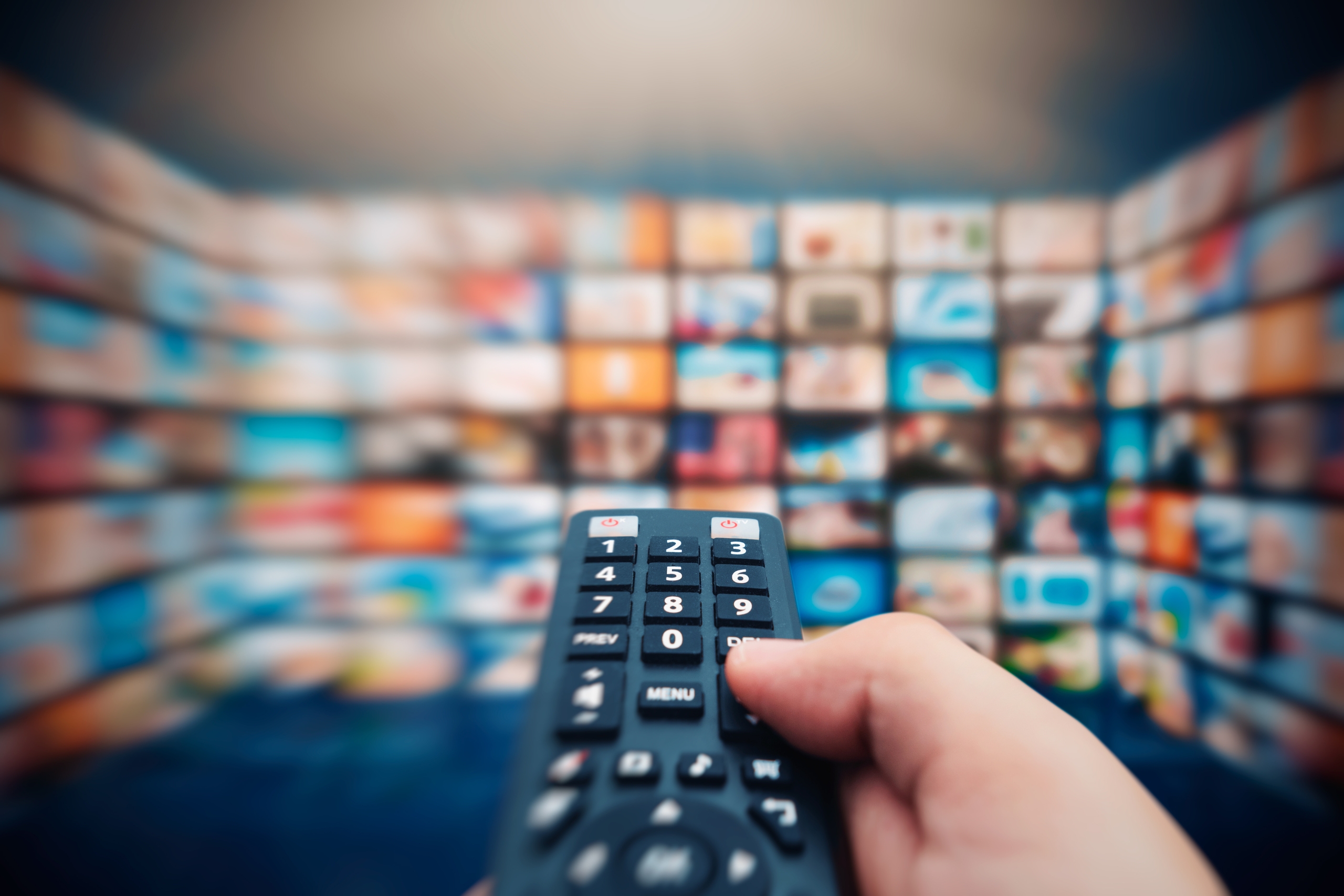
The story of how streaming platforms conquered the entertainment world in less than two decades is one of the most dramatic and the most completely consequential disruption stories available in the history of any consumer industry — a story whose specific arc from the 2007 launch of Netflix’s streaming service, which most people initially dismissed as a curious side feature of a DVD-by-mail company whose core business seemed entirely secure in the pre-smartphone era, to the current reality in which the traditional television broadcast network, the cable bundle, and the physical media retail store have been so thoroughly displaced by the on-demand, subscription-based, algorithm-personalized streaming experience that the generation of viewers born after 2005 most commonly and most sincerely does not understand why anyone would choose to watch something at a time determined by someone else rather than their own. The streaming platform is not merely the new delivery mechanism for the same entertainment content that the television and the cinema previously provided — it is the specific reimagining of the entire entertainment experience whose transformation of the how, the when, the where, and increasingly the what of the content consumption most completely and most permanently changed the relationship between the audience and the moving image in ways whose full implications the entertainment industry is still working out in the specific strategic decisions, the specific content investments, and the specific platform wars whose outcome will most directly determine the shape of the movies and entertainment landscape for the decades ahead. This guide explores the complete streaming platform story — the origins, the technology, the business model, the content strategy, the global expansion, the current competitive landscape, and the specific future developments whose understanding most completely equips any viewer, any investor, or any entertainment professional with the specific knowledge that the most significant single transformation in the history of the entertainment industry most specifically and most practically requires.
How Streaming Platforms Killed the Old Entertainment Model
The traditional television and home entertainment model that the streaming platform most thoroughly displaced was the model whose specific combination of the broadcast schedule, the cable bundle, and the physical media purchase created the entertainment consumption experience whose defining characteristic was the consumer’s fundamental lack of control — the specific dependency on the broadcaster’s scheduling decision, the cable provider’s channel packaging, and the retailer’s inventory availability whose combined gatekeeping function determined not merely how the content was accessed but which content was available at all to any specific viewer in any specific market at any specific moment. This lack of control was so deeply embedded in the entertainment culture’s assumption about how television worked that most viewers in the pre-streaming era did not experience it as the lack of control it genuinely was — they experienced it as the nature of television itself, whose time-based scheduling and channel-based organization were as natural and as unquestionable as any other feature of the physical world whose specific character most people accept without examining the assumptions that make it feel inevitable rather than chosen.
Netflix’s specific innovation of the complete content library available on demand at any time on any internet-connected device was not merely the technological improvement of the delivery mechanism — it was the specific philosophical reversal of the fundamental power relationship between the entertainment provider and the entertainment consumer whose most complete expression in the binge-watching behavior, the simultaneous full-season release, and the recommendation algorithm whose specific personalization most directly and most completely eliminated the most significant remaining friction between the viewer’s specific interest and the specific content whose discovery and whose immediate consumption the streaming platform’s specific design most completely and most instantly enabled. The cable bundle’s specific commercial model — the specific bundling of the channels whose combined subscription cost charged the consumer for the dozens of the channels whose content they never watched in order to guarantee the revenue for the channels whose content they specifically wanted — was the specific commercial arrangement whose customer dissatisfaction was as consistently high as its cable provider NPS scores most specifically and most reliably demonstrated and whose displacement by the streaming platform’s specific à la carte model whose payment for the single subscription’s specific content library most directly and most completely addressed the specific frustration that the cable bundle most consistently and most persistently produced in the customer whose specific entertainment preferences the bundle most specifically failed to match with the efficiency and the economy that the streaming alternative most specifically and most completely provided.
The Major Players: Netflix, Disney+, HBO Max, and the Streaming Wars
The streaming landscape whose current competitive configuration reflects the specific outcome of the streaming wars — the specific period from approximately 2019 through 2022 during which every major entertainment conglomerate launched the competing streaming platform whose specific strategic rationale of the direct-to-consumer relationship, the subscriber data ownership, and the content library monetization without the intermediary most specifically and most commercially motivated the simultaneous entrance of the Disney+, the HBO Max, the Peacock, the Paramount+, and the Apple TV+ into the market whose existing Netflix dominance most specifically and most directly challenged — is the competitive landscape whose specific dynamics of the subscriber growth, the content investment, the churn management, and the profitability pathway whose achievement after the subscriber acquisition phase most specifically and most commercially determines the long-term viability of each platform’s business model in the specific market whose saturation most directly constrains the subscriber growth that the business model most fundamentally requires for the financial sustainability whose achievement separates the platforms that survive the competitive shakeout from the ones that do not.
Netflix’s specific competitive position as the streaming market’s founder, its most globally distributed platform, and the specific brand whose synonymy with streaming in many markets most directly reflects the first-mover advantage whose conversion into the durable competitive moat requires the content investment, the technology leadership, and the international expansion whose consistent execution across the two decades of the platform’s operation most specifically produced the subscriber base of two hundred and sixty million-plus households whose scale most directly enables the content investment budget whose size most completely and most specifically explains the specific quality and the breadth of the Netflix original content library whose production most directly and most credibly justifies the subscription fee whose payment by the two hundred and sixty million households generates the revenue whose allocation to the content investment creates the self-reinforcing flywheel whose specific operation most completely explains Netflix’s durable competitive position in the streaming market whose competitive intensity most specifically and most directly motivates the continued content investment whose quality is the most directly commercially important available determinant of the platform’s subscriber retention and the subscriber growth whose combination most fundamentally sustains the business model’s financial health. Disney+ is the streaming platform whose specific content library advantage of the Marvel Cinematic Universe, the Star Wars franchise, the Pixar catalog, the Disney animation archive, and the National Geographic documentary library creates the most comprehensively family-friendly and the most franchise-rich content collection available on any single streaming platform — the specific intellectual property portfolio whose emotional resonance across the generational span from the grandparent who grew up with the classic Disney animation through the parent whose Marvel fandom was formed in the cinema through the child whose first streaming experience was the Disney+ creates the most broadly demographically encompassing content advantage available in the streaming competitive landscape.
HBO Max — rebranded as Max in 2023 — represents the streaming platform whose specific premium content strategy whose commitment to the prestige television, the cinematic production quality, and the specific creative ambition most completely distinguishes it from the mass-market content approach that the subscriber-scale platforms most commonly pursue — the platform whose specific content identity of the HBO original series, including the Succession, the White Lotus, the House of the Dragon, and the full legacy of the HBO prestige television brand whose creative reputation is the most specifically valuable available content brand in the entire streaming landscape, most directly and most powerfully justifies the premium subscription price whose maintenance at the higher end of the streaming market most specifically depends on the specific content quality whose consistent delivery in the HBO original programming most directly and most credibly communicates the platform’s specific value proposition to the subscriber whose specific appreciation for the prestige television content most specifically and most directly motivates the subscription decision whose continuation is as directly dependent on the content quality whose maintenance the HBO brand’s specific creative commitment most fundamentally and most specifically requires.
The Content Strategy: Why Original Programming Changed Everything
The shift from the content licensing strategy — whose specific purchase of the rights to the existing film and television library created the streaming platform’s initial content offering at the specific cost of the dependency on the content owner’s licensing decisions whose revocation most directly and most commercially threatened the platform’s specific value proposition — to the original content production strategy whose specific investment in the platform-exclusive, platform-branded programming created the most directly defensible content library available in any streaming platform’s competitive positioning is the single most strategically consequential decision in the history of the streaming platform business whose specific outcome most directly and most permanently transformed the entertainment industry’s production economics, its creative culture, and its specific talent relationships in the ways whose full impact on the movies and entertainment landscape most completely defines the streaming era’s specific contribution to the history of the moving image.
Netflix’s specific original content investment — whose escalation from the first House of Cards commission in 2013 through the current annual content budget of seventeen billion dollars whose specific allocation across the original series, the original film, the documentary, and the reality programming creates the most diverse and the most comprehensive original content slate available on any single streaming platform — is the content strategy investment whose specific return in the subscriber acquisition, the subscriber retention, and the specific cultural impact of the breakout original series whose global conversation-generating quality most directly and most measurably demonstrates the commercial and the creative value of the platform-exclusive original programming whose production most specifically and most completely justifies the content investment scale whose maintenance at the current level requires the subscriber revenue whose sustenance most directly depends on the content quality that the investment most specifically enables. The specific creative opportunity that the streaming platform’s original programming strategy most directly provided to the storytellers, the directors, the writers, and the actors whose specific creative ambitions the conventional broadcast television’s content constraints most consistently and most specifically prevented is the creative industry transformation whose impact on the quality, the diversity, and the specific ambition of the available television content most completely and most enduringly distinguishes the streaming era from every previous era of the television medium’s history.
The Algorithm: How Streaming Platforms Know What You Want to Watch
The recommendation algorithm is the streaming platform’s most commercially valuable and the most technically sophisticated technology asset — the specific machine learning system whose continuous analysis of the viewing behavior, the search history, the content ratings, the pause and the rewind patterns, and the specific contextual signals of the time of day, the device type, and the viewing session length creates the personalized content recommendation whose specific quality of the relevant, the timely, and the genuinely appealing suggestion most directly determines whether the subscriber who opens the platform most specifically and most immediately finds the content whose viewing most completely justifies the continued subscription whose retention is the most directly commercially important metric available in the subscription streaming business whose monthly churn rate most specifically and most directly determines the long-term subscriber growth trajectory and the revenue sustainability whose combined quality most fundamentally determines the business model’s financial health.
Netflix’s specific algorithm — whose development over the two decades of the platform’s data accumulation created the most sophisticated available entertainment recommendation system and whose specific A/B testing culture whose continuous experimentation with the thumbnail image, the trailer clip selection, and the specific row positioning on the home screen most directly and most measurably optimizes the click-through rate and the viewing completion whose combination most specifically determines the algorithm’s commercial effectiveness — is the specific competitive advantage whose replication requires not merely the algorithm’s technical architecture but the specific scale of the viewing data whose availability to Netflix after the two decades of the subscriber behavior accumulation creates the most complete available training dataset for the entertainment recommendation task whose specific performance most directly determines the platform’s ability to convert the browse session into the viewing session whose satisfaction most specifically and most reliably produces the subscriber retention whose maintenance most directly sustains the business model’s commercial health. The algorithm’s specific impact on the content creation decisions — the specific viewing data whose analysis most directly informs the content type, the genre, the tone, and the specific creative element whose combination most predictably generates the viewing behavior whose commercial desirability most specifically motivates the greenlight decision — is the most consequential and the most controversial available aspect of the algorithm’s role in the movies and entertainment ecosystem whose creative culture most specifically and most legitimately debates the appropriate balance between the data-driven content decision and the creative intuition whose specific contribution to the most surprising, the most original, and the most culturally significant content whose production most directly and most enduringly justifies the streaming platform’s claim to the creative ambition that the algorithm’s commercial optimization logic most specifically and most continuously challenges.
The Global Expansion: Streaming as the World’s Entertainment
The global expansion of the streaming platform from the North American market of origin to the genuinely worldwide entertainment infrastructure whose reach across the one hundred and ninety-plus countries of the Netflix distribution, the Disney+ international rollout, and the regional platform strategies whose combination most completely reflects the specific geography of the global entertainment appetite most directly and most consequentially transformed not merely the delivery mechanism of the international entertainment but the specific creative content whose production for the global audience most specifically and most commercially motivated the investment in the local language original series — the specific content strategy whose creation of the South Korean original whose global breakout, the Spanish language series whose international viewership, and the Indian original whose domestic scale and whose diaspora reach most directly and most measurably demonstrated the specific commercial value of the local language content whose global distribution through the streaming platform’s international subscriber base most completely and most specifically validates the investment whose return most directly reflects the specific audience whose entertainment needs the local language original most completely and most authentically serves.
The specific global cultural impact of the streaming platform’s original content investment in the local language programming is the most direct available evidence of the entertainment democratization whose achievement through the streaming platform’s global distribution most specifically and most genuinely advances the specific goal of the cultural representation whose importance to the audiences whose stories were previously absent from the international entertainment mainstream is as commercially valuable as it is culturally significant. The Korean Wave’s specific acceleration through the Netflix original series — the Squid Game whose global viewership record of one hundred and eleven million households in the first twenty-eight days most specifically and most dramatically demonstrated the global appetite for the high-quality, culturally specific content whose previous barrier of the subtitle and the cultural distance the streaming platform’s specific convenience most directly and most completely removed — is the single most powerful available demonstration of the streaming platform’s specific capacity to transform the local creative content into the global cultural phenomenon whose impact on the Korean entertainment industry, the Korean tourism, and the Korean cultural export is as measurably real and as commercially significant as any entertainment platform’s cultural impact available in the history of the movies and entertainment industry’s most consequential global transformations.
The Future: Where Streaming Goes From Here
The streaming platform’s future trajectory is the specific combination of the consolidation, the bundling, the live content expansion, and the advertising-supported tier whose development most specifically and most ironically recreates certain structural characteristics of the traditional cable bundle whose displacement by the streaming platform was the founding commercial motivation of the streaming revolution whose specific success most directly and most consequentially generated the subscriber saturation, the content cost escalation, and the profitability pressure whose combined management most specifically requires the strategic evolution whose direction most closely resembles the specific commercial structure of the industry whose disruption most originally defined the streaming platform’s specific founding value proposition. The advertising-supported streaming tier — whose introduction by Netflix, by Disney+, and by the other major platforms whose lower-price, ad-supported subscription option most directly addresses the specific price sensitivity of the subscriber segment whose retention at the higher subscription price most specifically and most commercially motivated the tier’s creation — is the specific business model evolution whose recreation of the advertising revenue stream most ironically and most directly parallels the broadcast television model whose displacement by the subscription streaming was the original commercial disruption whose completion the ad-supported tier most specifically and most commercially complicates.
The live sports rights acquisition — whose specific pursuit by the streaming platforms including the Amazon Prime Video’s Thursday Night Football, the Apple TV+ Friday Night Baseball, and the specific negotiations for the major professional sports league rights whose transition from the broadcast network to the streaming platform most directly and most commercially represents the single most significant remaining content category whose live, appointment-viewing character most specifically and most persistently resists the on-demand consumption model that the streaming platform most completely enables for the non-live content — is the strategic content investment whose successful execution most specifically and most directly addresses the final substantial gap in the streaming platform’s entertainment offering whose completion with the live sports content most completely replicates and ultimately most fully supersedes the entertainment value proposition of the traditional cable bundle whose live sports rights most specifically and most commercially justified the subscriber’s continued payment for the bundle’s non-sports content whose individual value most commonly and most specifically failed to justify the bundle’s full price in the absence of the sports rights whose specific live appointment-viewing character most directly motivated the cable subscription that the streaming platform’s on-demand model most completely and most permanently replaced for every entertainment category except the live sports whose specific experiential character the movies and entertainment landscape’s most complete streaming transition most specifically and most commercially requires the live rights acquisition to most fully and most finally achieve.
Conclusion
The rise of the streaming platform is the most complete and the most consequential entertainment industry transformation available in the history of the moving image — a disruption whose specific achievement of the fundamental reversal of the power relationship between the entertainment provider and the entertainment consumer, the global democratization of the premium content whose geographic and the financial accessibility the streaming platform’s specific business model most directly and most genuinely expanded beyond the specific reach of any previous entertainment distribution model, and the specific creative renaissance of the prestige television whose production quality, whose storytelling ambition, and whose specific cultural impact most completely and most enduringly defines the streaming era’s contribution to the history of the movies and entertainment most completely justifies the description of the streaming revolution as the single most significant development in the entertainment industry since the invention of the cinema itself. The viewer who chooses what to watch, when to watch it, and on which screen to watch it from the complete library of the world’s best entertainment content whose quality and whose variety most directly reflects the specific investment whose motivation by the platform competition most specifically and most commercially produced the creative abundance whose availability to any subscriber anywhere in the world is the most genuinely democratic and the most genuinely extraordinary entertainment reality that any era of the movies and entertainment industry’s history most specifically and most permanently achieved.