
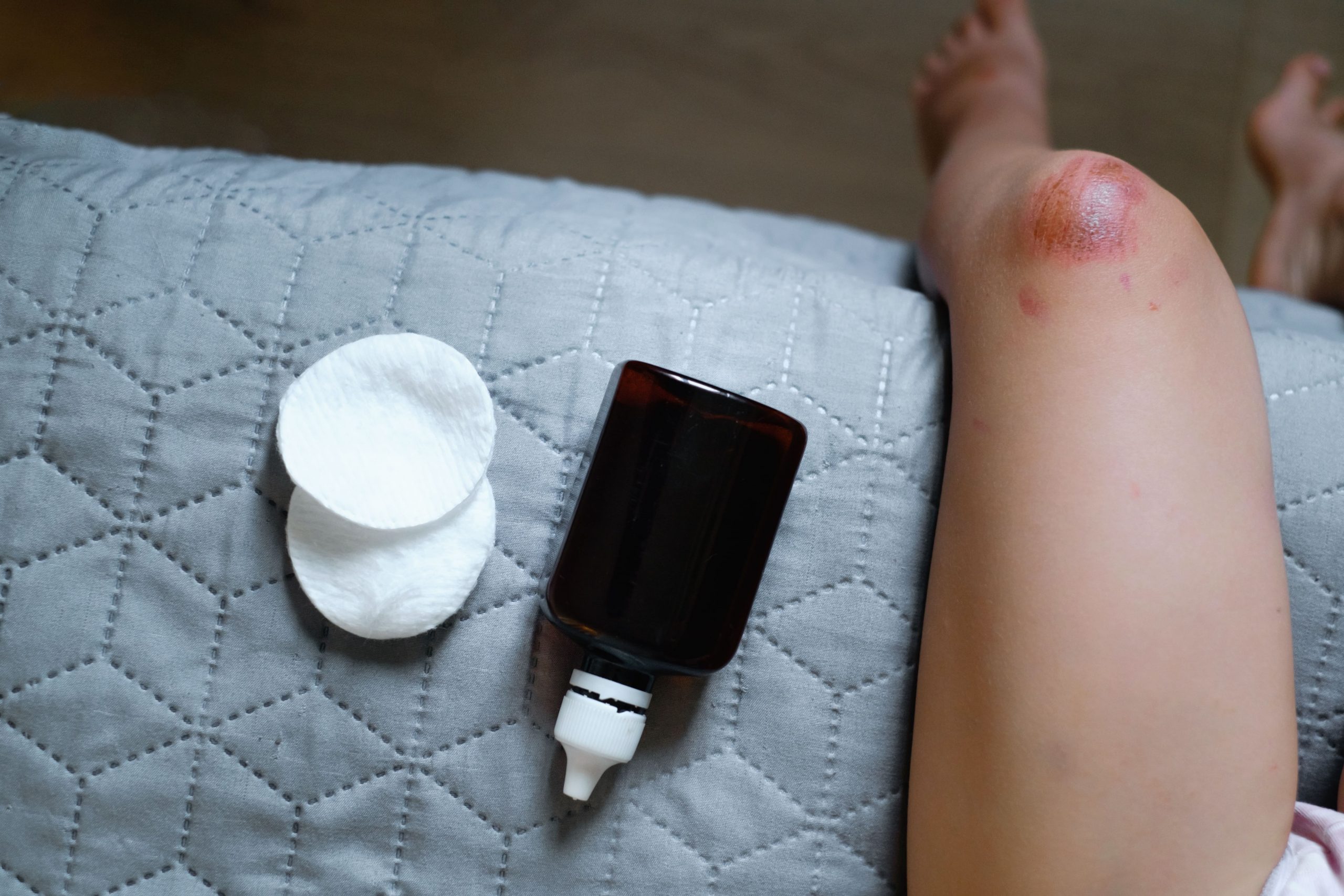
Accidents at home can happen unexpectedly, even in the safest environments. From minor cuts and burns to slips and falls, household injuries are common and can affect anyone at any time. Knowing how to respond quickly and properly is essential for reducing harm and preventing complications. Basic first aid knowledge allows you to take immediate action before professional help is available.
Many home accidents are preventable, but when they do occur, being prepared can make a significant difference. Understanding how to manage different situations helps protect both you and your family. It also builds confidence in handling emergencies calmly and effectively.
This guide provides practical first aid steps for common household accidents, helping you respond safely and support proper recovery in everyday situations.
First Aid for Cuts and Minor Injuries
Cuts and minor injuries are among the most frequent accidents at home, often caused by sharp objects or accidental contact with rough surfaces. When a cut occurs, the first priority is to control bleeding by applying gentle pressure with a clean cloth or bandage. This helps the body begin its natural healing process.
Once bleeding is controlled, the wound should be cleaned carefully to remove dirt and reduce the risk of infection. Using clean water to rinse the area is usually sufficient. After cleaning, covering the wound with a clean dressing helps protect it from further irritation and contamination.
Proper care of minor injuries ensures faster healing and reduces complications. Keeping the wound clean and protected is essential for maintaining skin health and preventing infection.
First Aid for Burns
Burns can occur from hot surfaces, liquids, or appliances commonly found in the home. Immediate action is important to reduce damage and relieve discomfort. Cooling the affected area gently can help soothe the skin and limit the severity of the burn.
It is important to avoid applying harmful substances or using improper methods that may worsen the injury. Keeping the burn clean and covered helps protect the area while it heals. Care should be taken to avoid breaking any blisters that may form, as they serve as a natural protective layer.
Burn care requires patience and proper handling. Managing the injury correctly supports recovery and minimizes long-term effects.
First Aid for Falls and Bruises
Falls are common household accidents, especially on slippery or uneven surfaces. They can result in bruises, sprains, or other injuries. When a fall occurs, it is important to assess the situation and ensure that the person is safe before moving them.
Applying a cold compress to the affected area can help reduce swelling and discomfort. Resting the injured area allows the body to recover and prevents further strain. Observing the injury over time helps determine if additional care is needed.
Handling falls carefully helps prevent complications. Providing immediate support and allowing time for recovery ensures better outcomes.
First Aid for Choking Incidents
Choking is a serious emergency that can occur during eating or when small objects are accidentally inhaled. Recognizing the signs of choking, such as difficulty breathing or inability to speak, is critical for taking quick action.
Encouraging the person to cough can sometimes help clear the obstruction. If the situation does not improve, appropriate first aid techniques should be applied to help remove the blockage. Acting quickly and calmly is essential in these situations.
Choking incidents require immediate attention. Knowing how to respond can save lives and prevent serious consequences.
First Aid for Electric Shock
Electric shock accidents can happen due to faulty appliances or exposed wiring. These situations can be dangerous and require careful handling. The first step is to ensure that the source of electricity is no longer active before approaching the affected person.
Once it is safe, checking the person’s condition is important. If they are conscious, keeping them calm and still helps prevent further injury. Avoid direct contact with the electrical source until it is completely safe.
Electric shock incidents highlight the importance of safety awareness. Proper handling reduces risks and ensures that help can be provided safely.
First Aid for Allergic Reactions
Allergic reactions can occur due to food, environmental factors, or contact with certain substances. Symptoms may include itching, swelling, or discomfort. Recognizing these signs early allows for prompt action.
Removing the source of the allergen is an important first step. Keeping the person comfortable and monitoring their condition helps manage the reaction. In more severe cases, immediate medical attention may be required.
Being aware of potential allergies and how to respond ensures better safety at home. Quick action can prevent the situation from worsening.
Creating a Safe Home Environment
Preventing accidents is just as important as knowing how to treat them. Maintaining a safe home environment reduces the likelihood of injuries. This includes keeping floors dry, storing sharp objects properly, and ensuring that appliances are in good condition.
Regularly checking for potential hazards helps identify risks before they become problems. Simple actions such as organizing spaces and improving lighting can significantly enhance safety.
In Home and Garden, creating a safe environment is an essential part of daily living. A well-maintained home supports both comfort and security for everyone.
Conclusion
Handling common household accidents requires awareness, preparation, and the ability to act quickly. From treating cuts and burns to managing falls and other emergencies, basic first aid knowledge is essential for maintaining safety at home. By combining proper response techniques with preventive measures, individuals can create a safer living environment and confidently manage unexpected situations.